
Participate in the 2024 GCBME & TSBE Annual Meeting at NCKU
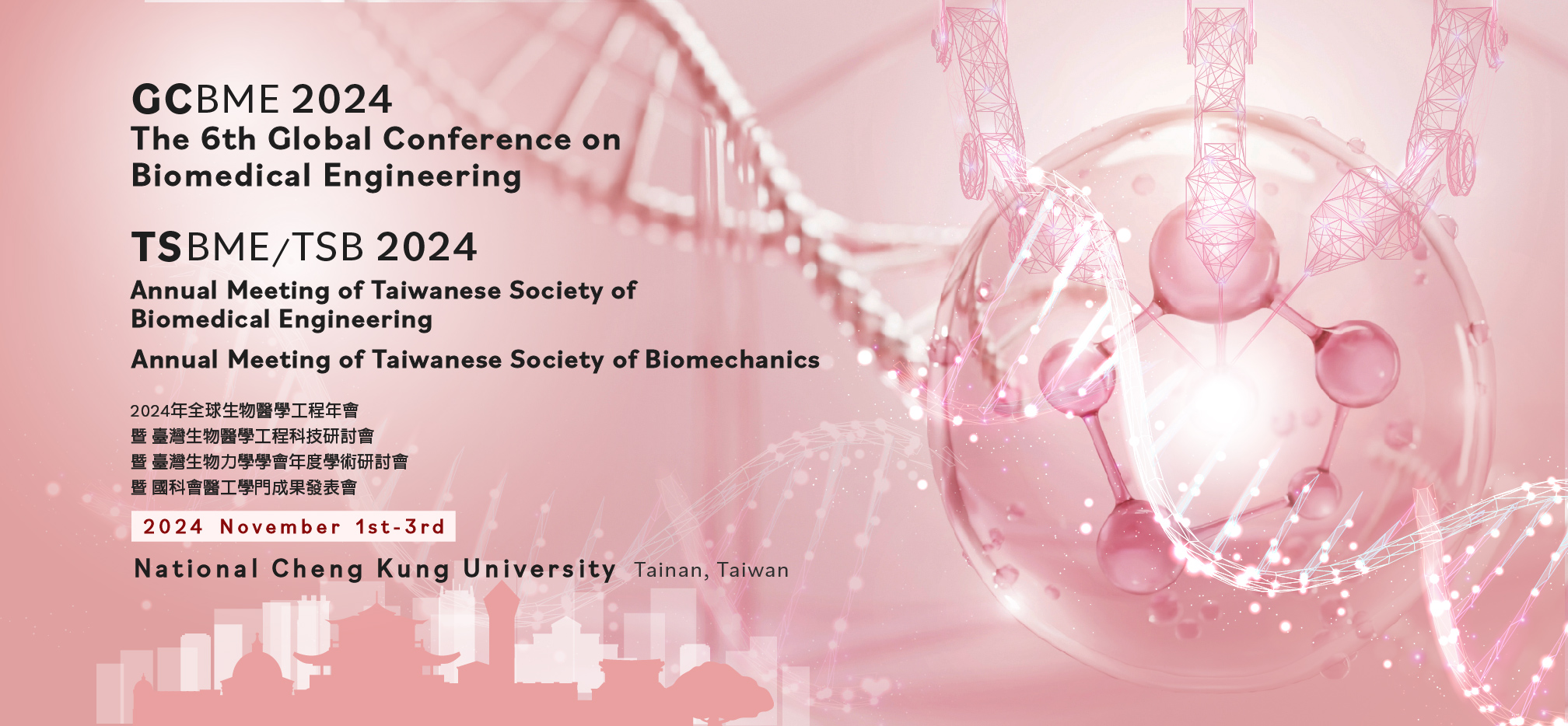
Our lab participated in the 2024 GCBME and TSBE Annual Meeting held at National Cheng Kung University, exploring the application of deep learning techniques in the field of sports science.
Our lab participated in the 2024 GCBME and TSBE Annual Meeting held at National Cheng Kung University, exploring the application of deep learning techniques in the field of sports science.
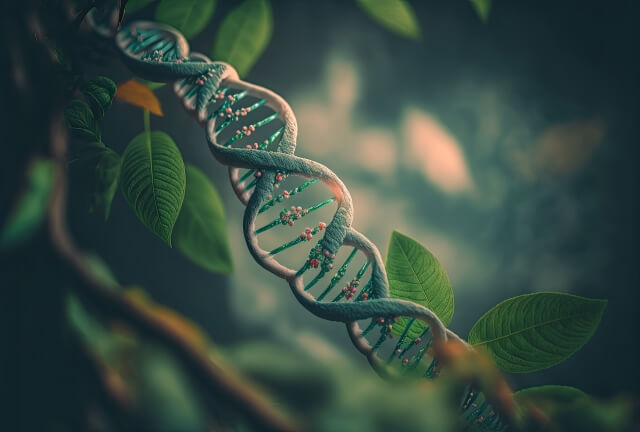
A method for managing the genetic code of species, comprising the following steps: (1) reading the genetic code sequence of species; (2) selecting a control parameter based on the length information of the genetic code sequence; (3) converting the genetic code sequence into a binary sequence using a table lookup method; (4) rearranging the binary…

Dr. Meng-Hsiun Tsai has long been dedicated to research in sports science and artificial intelligence, achieving outstanding results in areas such as athlete stress detection, fatigue monitoring, and sports injury prevention.
Congratulations to Dr. Meng-Hsiun Tsai for being honored as an outstanding and senior teacher at National Chung Hsing University for 20 years!

This invention provides an improved vector quantization encoding for image quality restoration and a fast codebook training method. The invention divides image blocks into multiple data groups, and trains Cg encoding words for each group based on the standard deviation and data quantity of each group. The invention effectively enhances compressed image quality and significantly…
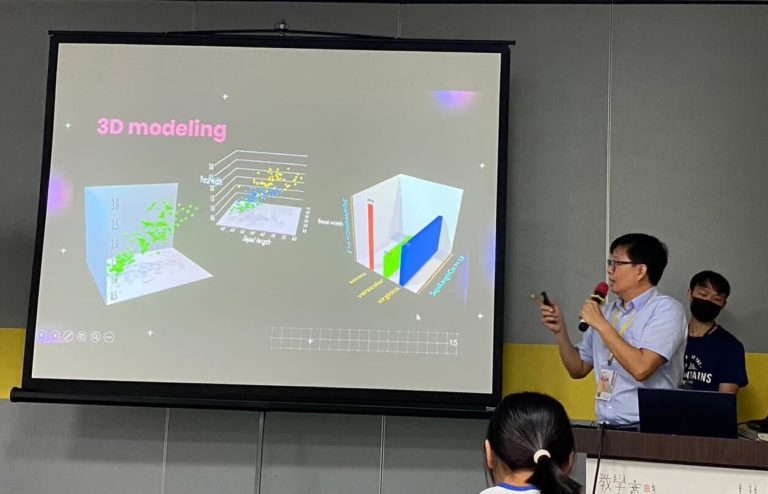
Dr. Meng-Hsiun Tsai Presents the works (directed by Ying-Chen Lin, Chung-Ting Lin, Fu-Sheng Hsueh, and Keng-Yuan Nien) at MOE Teaching Practice Research Program Workshop! The professor demonstrated how to enable learners to interact with big data in a virtual 3D environment.
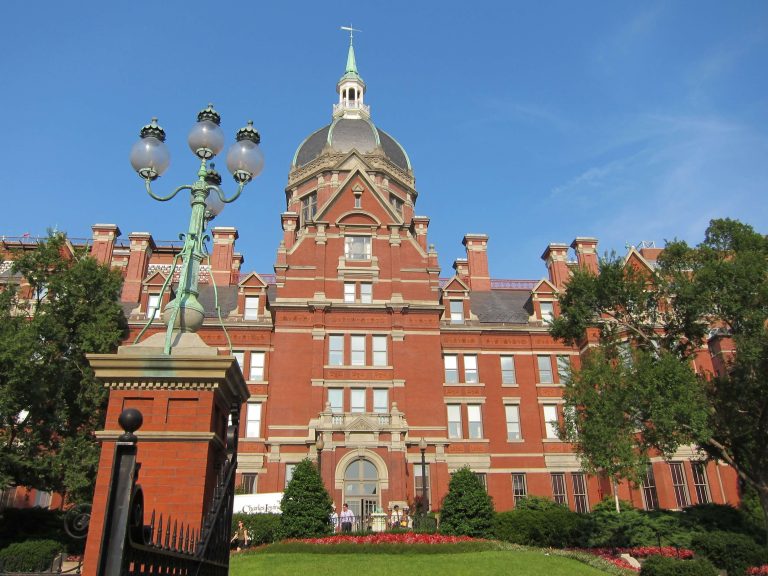
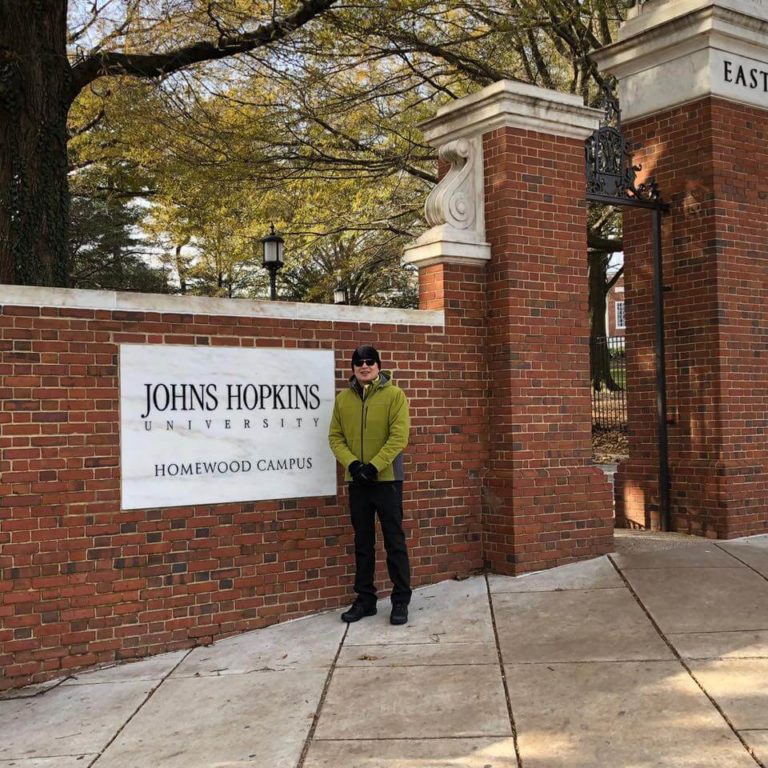
Dr. Meng-Hsiun Tsai is visiting Johns Hopkins University’s Institute for Clinical and Translational Research (ICTR) as a visiting scholar. During this period, the professor will be conducting research on the comorbidity of diabetes and cancer.